Banjo Paterson Comes to Parkes
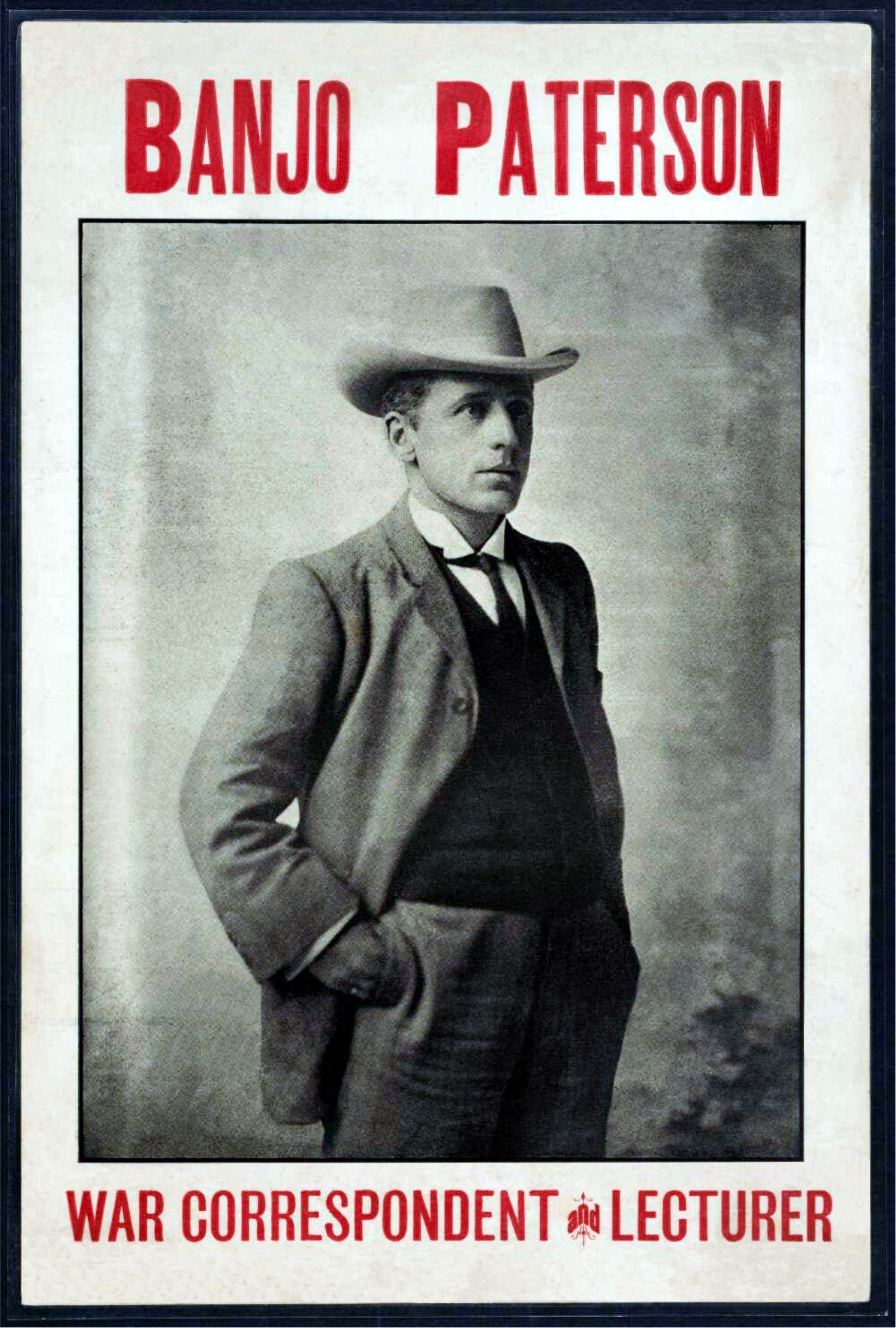
Henry Parkes’ visit to our town is very well documented, but did you know that the famous Australian poet and War Correspondent Banjo Paterson visited our fair town in 1901? Paterson is well-known for his poetry and bush ballads, including the iconic works Waltzing Matilda, The Man from Snowy River and Clancy of the Overflow. But Paterson was also a war correspondent and lecturer at the time of the Boer War. It was during a lecturing tour of Australia that Banjo made his visit to Parkes in 1901. But first, a bit of background.
Andrew Barton Paterson was born 17 February 1864 at “Narrambla” near Orange, NSW. His early years were spent at the family’s usual place of residence, the remote Buckinbah Station near Yeoval, NSW. The family were forced to sell the property after the loss of a wool clip, but a few years later moved to “Illalong” near Yass after the death of Paterson’s uncle. It was here that his great love of horses developed, which would later inspire much of his work.
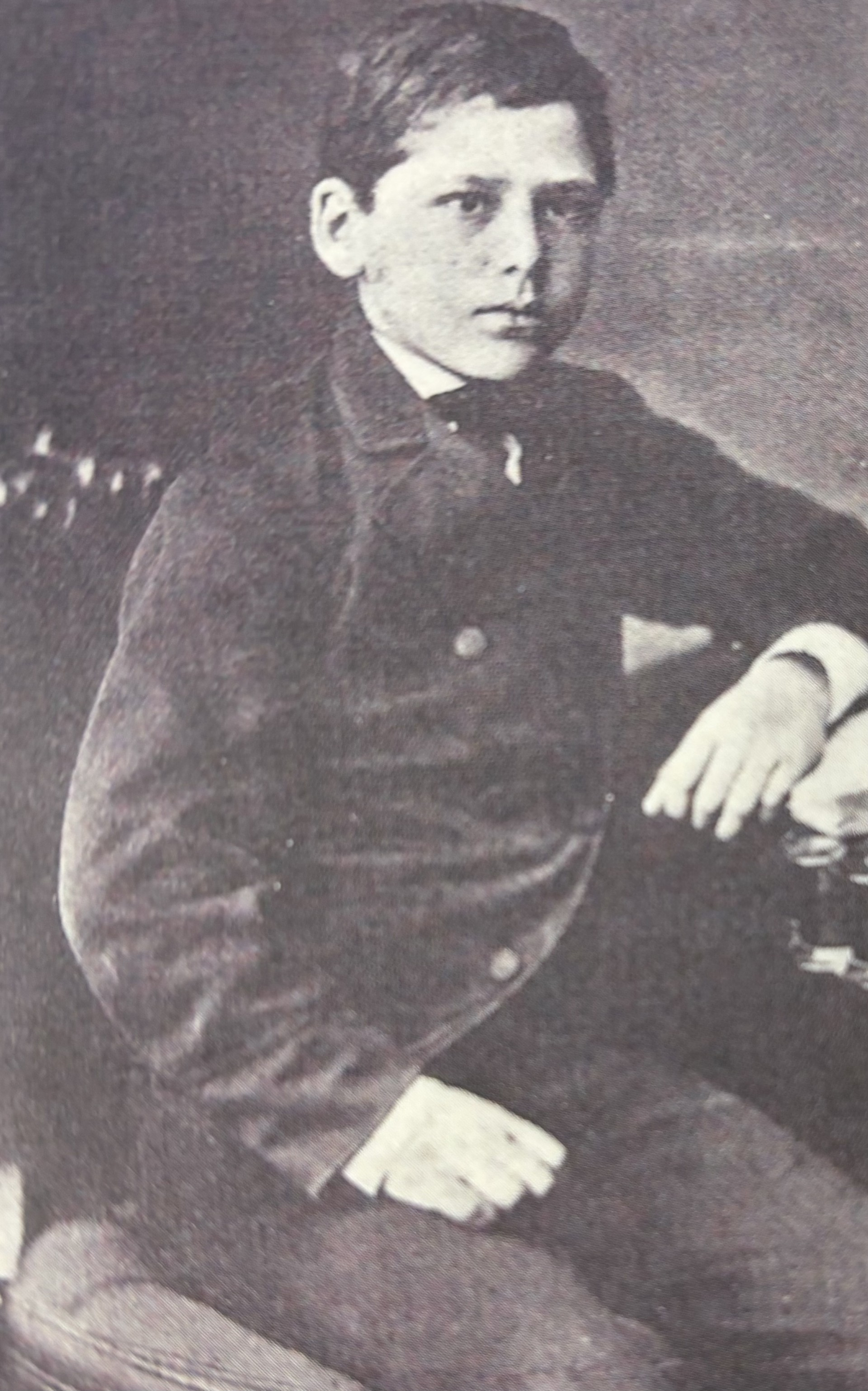
Paterson’s early education was a mix of lessons from a governess and later he attended the Binalong bush school when he had learnt to ride a pony. By the time he was 10 years old, he was sent to Sydney where he attended the prestigious Sydney Grammar School until the age of 16. After failing a scholarship exam for entry to the University of Sydney, Paterson worked as a law clerk in Sydney and was later admitted as a solicitor.
It was during his work as a solicitor that Paterson first started submitting poetry to the Australian literary journal The Bulletin, under the name “The Banjo” after his favourite horse. Soon “The Banjo” became one of the journal’s most popular writers throughout the 1890s and the moniker ‘Banjo’ stuck. During this time, Banjo also formed close friendships with other significant Australian writers. In particular, Banjo and Henry Lawson engaged in some friendly rivalry when it came to verses about the Australian bush.
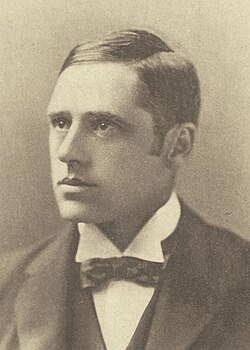
By 1899 when the Second Boer War broke out, Banjo became a war correspondent for both The Sydney Morning Herald and The Age newspapers. Banjo’s graphic accounts of the war in South Africa along with photographs he took captured the attention of the Australian public and on his return to Australia commenced a widespread series of lectures, which were sponsored by The Sydney Morning Herald and ultimately brought him to the town of Parkes.
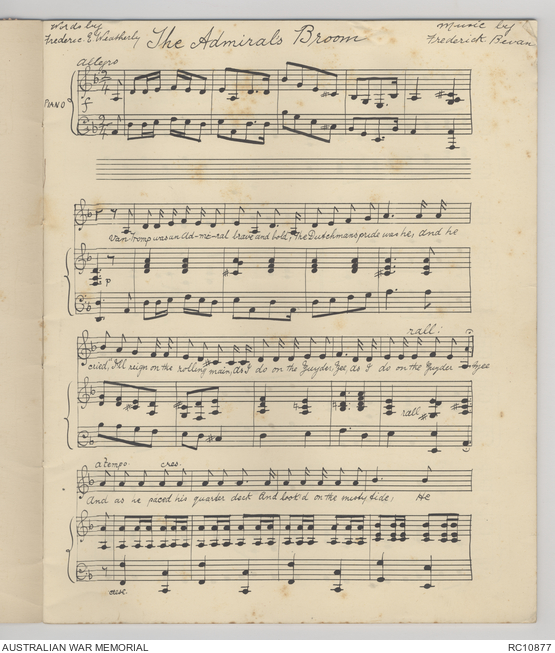
Banjo arrived in Parkes on Tuesday 23 April and delivered his lecture the same night. The Western Champion newspaper recounted the night later that week. It reported that despite the day’s inclement weather, there was a good attendance at the Royal Hall for the lecture. The article goes on to describe Banjo as “no orator” and speculates that individuals who attended expecting to hear an eloquent speaker must have been sorely disappointed. However, despite Banjo’s lack of eloquence the report details that he was successful in sustaining the interest and attention of the audience. This was in large part due to his simple, unvarnished presentation of the facts as well as the interspersing of amusing incidents and “beautiful limelight views” throughout the lecture. The audience warmly applauded Banjo throughout, and the evening concluded with a Mr Reynal singing “The Admiral’s Broom” to a vociferous encore and then “True till Death”.
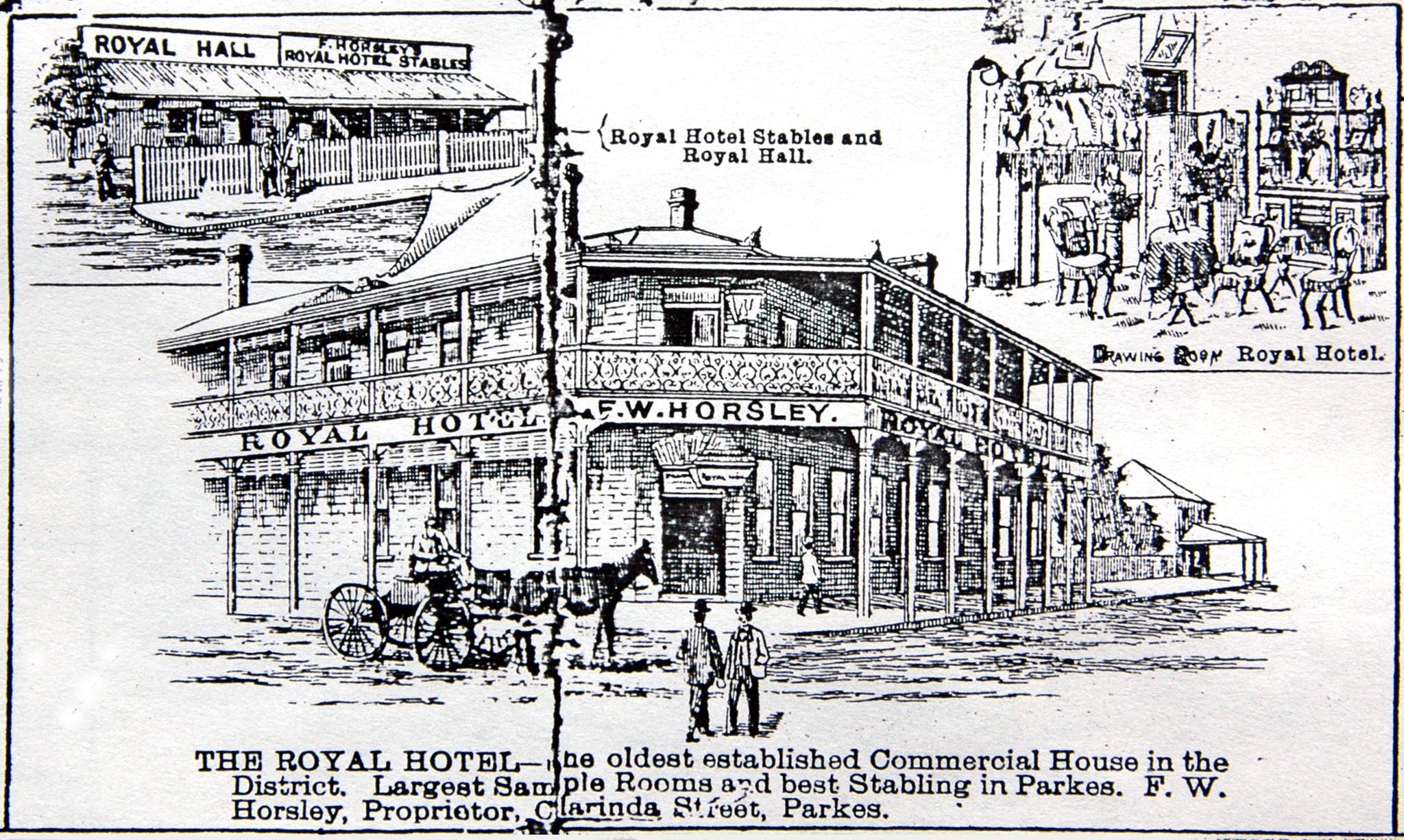
The venue itself for the lecture was the Royal Hall, which was located in Clarinda Street adjacent to the Royal Hotel. Those familiar with Parkes will be aware that the Royal Hotel is still in existence today, on the corner of Clarinda and Court Streets, however the Royal Hall has long since vanished. From consulting old maps from the time period and land registers, it has been determined that the location of the Royal Hall is the present-day site of the Dad & Dave’s Mantiques & Collectibles and TSG Tobacco shops on Clarinda Street. With reports from the opening of the Hall in 1884 relating that it could comfortably hold 600 people, one can presume that the audience that night was numerous.
Interested in learning more about the Royal Hall or the Royal Hotel? Stay tuned, as this blog will soon be embarking on a series relating the history of Parkes buildings.
References:
Australian War Memorial Sheet Music Collection. “[Sheet Music] The admiral’s broom”. Retrieved 17 April 2026 https://www.awm.gov.au/collection/C212392
“Banjo” Paterson (1901, April 26. Western Champion (Parkes NSW : 1898-1934), p. 10. Retrieved 17 April 2026 https://trove.nla.gov.au/newspaper/article/112368269
Kieza, Grantlee. (2018). Banjo: The remarkable life of Australia’s greatest storyteller. Australia, ABC Books.
Tindall, R. T. (1983). Parkes: One Hundred Years of Local Government. South Australia, Griffin Press Limited.

